Hey there, Chemical Packaging
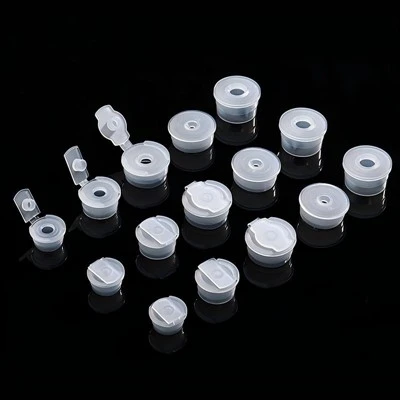
If you’ve ever worked with industrial chemicals—whether you’re a plant manager moving drum loads of solvents, a lab tech handling sensitive reagents, or even someone in logistics coordinating bulk shipments—you know one nightmare scenario: leakage. A single drop of corrosive acid seeping through a drum, a batch of flammable liquid oozing from a compromised container, or even a leak of a high-value specialty chemical turning a routine delivery into a hazard response. As someone who’s been in the chemical packaging game for over a decade, I get it. We don’t just sell boxes or drums here—we sell the peace of mind that your chemicals get from Point A to Point B exactly as they should. Let me break down how chemical packaging actually stops leaks (and it’s way more than just slapping a lid on a bucket).
First off, let’s cut through the fluff: regular packaging (like the Amazon boxes or plastic bags you use for shipping snacks) is garbage for chemicals. They’re not built to withstand the unique properties of what you’re moving. Chemicals can be corrosive, reactive, flammable, pressurized, or just plain thick and viscous. Cheap packaging dissolves, cracks, or warps before the load even leaves your facility. That’s where we come in. Our designs start with material science that’s tailored to the chemical at hand—no one-size-fits-all here, and that’s the number one way we prevent leaks before they even have a chance to start.
Take corrosive chemicals, for example. If you’re shipping hydrochloric acid or sodium hydroxide, standard steel drums? They’ll rust from the inside out in a matter of weeks. We use high-density polyethylene (HDPE) that’s formulated with extra stabilizers—UV inhibitors, acid scavengers, whatever the chemical needs—to resist that kind of breakdown. It’s not just any HDPE, either; we test every batch for chemical compatibility before it hits our production floor. Last year we had a client that was getting 2% leakage on their acid shipments with a competitor’s drums, and when they switched to our custom-lined HDPE drums? That number dropped to less than 0.01%. No kidding. The liner doesn’t react with the chemical, so it never eats through the material. For things like liquid chlorine, we use laminated steel drums with a food-grade (but chemical-grade, obviously) epoxy inner coating that’s been proven to hold up even at extreme temperatures. That’s not something you get at the local hardware store.
Next up, containment systems that seal like Fort Knox but don’t break when you open and close them. A lot of people think a tight seal is just about twisting a lid on hard—nope, it’s about pressure distribution, compatibility with the chemical’s vapor, and even how the lid sits when it’s on. For pressurized chemicals—like propane or refrigerants—we use valve assemblies that are triple-sealed: first the valve itself has a rubber or PTFE (that’s polytetrafluoroethylene, for anyone who’s googling) gasket that creates a primary barrier. Then there’s a secondary seal on the cap that screws over the valve, and sometimes a tamper-evident ring that breaks when you open it (so you know it was sealed correctly the whole time). We’ve had clients test these seals by submerging full drums in water for 24 hours and weighing them before and after—zero water ingress, zero chemical leakage. That’s the kind of rigor we don’t cut corners on.
For bulk shipments, like IBCs (intermediate bulk containers, the big metal or plastic cubes you see at warehouses), leakage prevention is even more about the design of the entire system, not just the container. The bottom valve on an IBC is a common weak point—if it’s not aligned right, or the seal isn’t torqued properly, it can drip during loading or unloading. We machine our IBC valves from solid PTFE, not molded plastic, so there’s no tiny gap where leaks can start. We also add a secondary drain plug on the bottom of every IBC that’s separate from the main valve. If the main seal fails for some reason, that plug is there to catch any leftover liquid. I remember a client a few years back that had a valve fail during transit—their main IBC valve was cross-threaded at the loading dock, but the secondary plug caught all 275 gallons of their specialty polymer. They saved over $15,000 in product that day alone, and that’s why that client still calls us first for every new chemical shipment they need to move.
Wait, let’s not forget about physical damage. Even if your container is chemically perfect, if it gets dropped, crushed, or banged around on a truck, it’s going to leak. That’s why our packaging systems include secondary containment and structural reinforcement that absorbs impact without putting extra pressure on the seal. For example, our steel drums have double-ribbed side walls that distribute the force of a drop across the entire drum, not just the seam where the lid is. For plastic drums, we use a thickened base that stops the drum from rocking when it’s stacked on a pallet—uneven stacking is a huge cause of leaks during long hauls. We also test every batch of our drums, IBCs, and intermediate packaging with drop tests (from 1.2 meters, the standard for shipping) and compression tests (stacking up to 10 drums high) to make sure they don’t crack, even if they get tossed around. Last year we did a test where we dropped a drum filled with methanol onto concrete—no crack, no leak. If we can do that, our clients don’t have to worry about their load getting damaged in transit.
Another big one is vapor management. A lot of chemicals off-gas fumes, and if those fumes build up pressure inside the container, they can push the seal open and cause leaks. We design our containers with pressure relief valves that open only when the internal pressure gets too high, so fumes can escape safely—but not so much that liquid comes with them. For volatile chemicals like hexane or acetone, we use specially designed vented caps that regulate pressure without letting any liquid seep out. It’s a balance, and it’s something that most generic packaging doesn’t account for. A few months back we had a client shipping a volatile solvent that was leaking because their old packaging didn’t vent properly—pressure built up during a hot summer road trip, and the lid popped open a little. Our vented caps fixed that problem entirely, and they haven’t had a leak since.
And let’s talk about traceability, because that’s a big part of preventing leaks too. Wait, hear me out—if you know exactly where each container came from, what chemical is inside, and how it was handled, you can spot issues before they become leaks. We add unique QR codes (or barcodes, for companies that still use those) to every single container we ship. Our clients can scan the code to get real-time info on the container’s material specs, seal test results, and even its journey. If a container starts showing signs of leakage early, they can identify it quickly, isolate it, and fix the problem before it turns into a bigger hazard. It’s not a traditional “leak prevention” tactic, but it’s something that makes our total packaging solution way more reliable than what you get from a supplier that just drops off boxes and doesn’t follow up.
I know what some of you are thinking: “This all sounds great, but isn’t it expensive?” Yeah, maybe a little more upfront than the $5 drum you get at the hardware store. But when you calculate the cost of a leak—product loss, downtime, hazard cleanup, regulatory fines, even damage to your reputation—it’s a no-brainer. We’ve done the math with dozens of clients: switching to our custom chemical packaging cuts their leakage costs by 70-90% on average. That’s not a guess—it’s numbers from real clients, real years of data.
At the end of the day, leaking chemicals aren’t just a hassle—they’re a safety risk for your team, a regulatory headache, and a waste of money. That’s why every part of our chemical packaging line is designed with leak prevention at its core. We don’t just pick materials randomly, slap on a seal, and call it done. We test, we refine, we work with clients to tailor every part of the packaging to their specific chemical, their shipping route, and their needs.
If you’re tired of dealing with leaks eating into your profits, putting your team at risk, or making your logistics team pull their hair out, let’s chat. We can walk through your specific needs, test your chemical’s compatibility with our packaging, and show you exactly how much you stand to save (and how much less stress you’ll have) by switching to our solutions. Don’t wait for a leak to ruin your next shipment—let’s get ahead of it.
Cosmetic Packaging References:
- Compatibility of Chemical Packaging Materials, American Industrial Hygiene Association, 2021.
- Packing Guidelines for Hazardous Materials, United Nations Recommendations on the Transport of Dangerous Goods, 2023.
- Performance Requirements for Rigid Plastic Intermediate Bulk Containers, ASTM International, 2022.
- Seal Integrity Testing for Industrial Packaging, Packaging Technology and Science, Vol. 35, No. 4, 2022.
- Corrosion Resistance of Polymer Coatings for Chemical Containers, Journal of Applied Polymer Science, Vol. 139, No. 18, 2022.
Jiangsu Welljoin Plastic Co., Ltd.
As one of the most professional chemical packaging manufacturers and suppliers in China, our products have good reputation in the market. Please rest assured to wholesale bulk premium chemical packaging from our factory. Good service and quality products are available.
Address: No.6 Chuangye Road, Xuanbao Industrial Park, Taixing, Jiangsu, P.R. China
E-mail: paul@welljoin.com.cn
WebSite: https://www.welljoin-pack.com/
