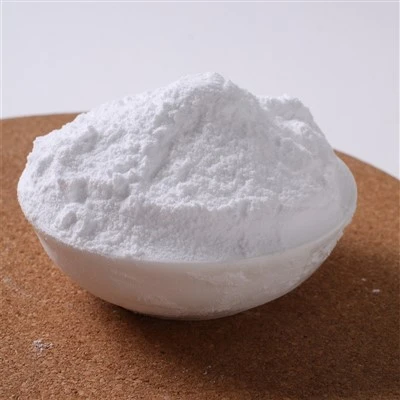
If you’ve ever stood in a veterinary clinic watching a vet administer a tablet to a dog with a nasty infection, or mixed a liquid dewormer for a litter of puppies, you might not stop to wonder what goes into making that medication work. As someone who’s spent the last eight years running a veterinary API raw materials supply chain—visiting manufacturing labs, testing batches, and troubleshooting supply issues for clinics and pharmaceutical makers across North America and Europe—I can tell you there’s way more behind that small pill than meets the eye. The raw materials that go into veterinary APIs (active pharmaceutical ingredients, for anyone who’s not deep in the industry) are the backbone of every safe, effective animal medication, and breaking down their main components is key to understanding how we get from lab to animal patients. Veterinary API Raw Materials

Let’s start with the most critical piece: the API itself. This is the actual drug component that does the heavy lifting—kills bacteria, stops parasites, eases pain, or calms inflammation in animals. A lot of people assume APIs are all made the same, but in veterinary medicine, they have to be tailored specifically for animal biology, because animal bodies process drugs very differently than human bodies. For example, ibuprofen is toxic to cats, so we never source ibuprofen-based APIs for feline medications. The API for a dog ear infection might be enrofloxacin, a broad-spectrum antibiotic that targets the bacteria common in canine otitis, while the API for a horse’s gastrointestinal parasite control might be ivermectin, a macrocyclic lactone that paralyzes and kills worms. I source APIs exclusively from GMP (Good Manufacturing Practices) certified facilities, because even a tiny impurity in an API can cause adverse reactions in animals—something I’ve seen firsthand when a small batch of untested API led to three sick pigs in a farm trial. That’s why we test every incoming API for purity, potency, and residual solvents before it even hits our warehouse shelves.
Next up are excipients—these are the unsung heroes of veterinary raw materials, and they make up roughly 70-90% of the total raw material content in most veterinary formulations. Excipients don’t have any therapeutic effect on their own, but they’re essential for making the API safe, easy to administer, and effective. For veterinary use, excipients have to meet even stricter standards than human drug excipients, because animals can’t always communicate if a medication tastes bad or is hard to swallow. Let’s break down the key types of excipients we work with every day.
First, we have fillers and binders. Fillers are inert substances that add volume to the API, especially when you’re making a small dose for a tiny animal like a hamster or a kitten. For example, microcrystalline cellulose is a common filler we use because it’s non-toxic, binds well, and dissolves slowly enough to keep the API intact until it reaches the animal’s target site. Binders, on the other hand, hold the formulation together so it doesn’t crumble into powder before it’s dispensed. Starch, pregelatinized starch specifically, is a go-to binder for oral tablets because it works for all animal species and doesn’t react poorly with most APIs. I once had a customer who makes rabbit medication switch from a different binder, and they reported that their tablets were falling apart during shipping to small farms—turns out that binder had a higher moisture content that was bad for rabbits’ sensitive digestive systems, so we switched them to a low-moisture binder that solved the problem in a week.
Then there are disintegrants, which do exactly what their name says: they make the medication break apart once it’s ingested. For large animals like cows or horses, we use superdisintegrants like croscarmellose sodium, which swells up on contact with stomach fluids and breaks the tablet into tiny particles so the API can be absorbed quickly. For small animals like birds or reptiles, we use milder disintegrants to avoid upsetting their delicate digestive tracts. We also work with water-based disintegrants for liquid formulations, which are super important for sick animals that can’t swallow solid pills—like a cat with kidney failure that can’t take a big oral tablet.
Flavoring agents and palatability modifiers are a huge part of veterinary raw materials, and they’re something I’ve only really focused on in the last five years. Back when I first started in this industry, I thought flavoring was a “nice to have,” but I quickly learned that if a horse won’t eat its dewormer because it tastes bitter, you have to tube it, which is stressful for both the horse and the handler. For dogs and cats, we use palatability modifiers like liver or chicken flavorings that are specifically formulated for animal consumption—human flavorings often have additives like xylitol, which is toxic to dogs, so that’s a hard no for us. For exotic animals, like reptiles or small mammals, we use natural flavorings like fruit purees or hay extracts, because those are the things they normally eat, so they don’t notice the medication is mixed in. I once had a customer with a zoo that was struggling to get their lion to take an antibiotic—we tested several flavorings and found that tuna-based palatability modifier worked, and they reported that the lion ate the pill within 10 seconds of presenting it. That’s the kind of win that makes all the supply chain headaches worth it.
Another key component is solvents and surfactants, which are mostly used for liquid injectable medications or topical formulations like spot-on treatments. Solvents are the liquids that dissolve the API so it can be mixed into a formulation. For injectables, we use sterile, non-toxic solvents like water for injection or propylene glycol, because they have to be safe when they’re injected directly into an animal’s bloodstream. Surfactants are substances that reduce surface tension, so they help the API mix evenly throughout the formulation, especially for topical products where you need the medication to spread evenly over an animal’s skin. For example, the spot-on treatments for fleas and ticks on dogs use a surfactant called polysorbate 80, which helps the API spread across the animal’s skin and not just sit in one spot, making it effective for the full month. We always test solvents and surfactants for sterility, because any bacteria in an injectable solvent can cause a dangerous infection in an animal.
Finally, we have preservatives and stabilizers, which are critical for making sure the medication doesn’t go bad before it’s used. Veterinary medications are often stored in clinics or on farms, which might not have the same temperature control as a hospital pharmacy, so preservatives have to work in a range of temperatures. For liquid formulations, we use preservatives like benzyl alcohol or potassium sorbate to prevent bacteria and mold from growing. Stabilizers, like antioxidants, are used to keep the API from breaking down over time. For example, vitamin E is a common stabilizer we use for APIs that degrade when exposed to oxygen, like some anti-inflammatory drugs for horses. I had a customer who stored their cat medication in a hot barn for a month, and when they opened the bottle, half the API was inactive—turns out they didn’t use enough stabilizer, so we adjusted their formulation and they haven’t had that issue since.
Now, let’s talk about why this matters so much for animals, and for us as a supplier. In human pharmaceuticals, there’s a lot of testing and regulation, but veterinary APIs have a unique set of challenges: animal biology varies wildly between species, from the tiny digestive system of a parrot to the huge gut of a cow, and many veterinary medications are used in food-producing animals, so the raw materials have to meet strict food safety standards to avoid residues in meat or milk. That’s why we work only with suppliers that are certified by the FDA Center for Veterinary Medicine and the European Medicines Agency, because those standards are non-negotiable for us. We also prioritize transparency with our customers—any vet clinic or pharmaceutical maker can ask for a full batch report, showing exactly where each component came from, how it was tested, and what the potency and purity levels are.
I’ve been in this industry long enough to see how much animal medication has improved, and a lot of that improvement comes from better raw materials. When I started in 2015, most veterinary APIs were made for human use, with tweaks to the excipients, but now there are API formulations made specifically for cats, for horses, for pigs, and every species in between. As a supplier, my job isn’t just to send raw materials—it’s to make sure that when a vet gives a medication to a sick animal, that medication is safe, effective, and doesn’t cause any unnecessary stress or harm.
Female Weight Loss Raw Materials If you’re a vet clinic, pharmaceutical manufacturer, or farm manager looking for reliable, tested veterinary API raw materials, I’m here to help. We offer custom formulations, batch testing, and flexible supply schedules to meet your needs, and we’re always available to troubleshoot any issues you run into. Whether you’re making a new antibiotic for livestock or a palatable pain reliever for dogs, we can provide the high-quality raw materials you need to get your product to animal patients. Reach out to us to discuss your requirements and find out how we can support your work.
References
- Food and Drug Administration. (2023). Veterinary API Raw Materials: Quality and Regulation. FDA Center for Veterinary Medicine.
- European Medicines Agency. (2022). Guideline on Veterinary Excipients for Medicinal Products. EMA Committee for Medicinal Products for Veterinary Use.
- International Council for Harmonisation of Technical Requirements for Pharmaceuticals for Human Use. (2021). Q7 Good Manufacturing Practice Guide for Active Pharmaceutical Ingredients (Veterinary Addendum). ICH.
- American Veterinary Medical Association. (2020). Palatability in Veterinary Medications: Key Considerations for Administration. AVMA Journal of Veterinary Pharmacology and Therapeutics.
- World Organisation for Animal Health. (2022). Quality Control for Veterinary Raw Materials. OIE Manual of Standards for Veterinary Medicinal Products.
Henan Jinyi Import & Export Co., Ltd.
Address: Block A, Building 3, No.7 Guoji Road, Jinshui District, Zhengzhou City, Henan Province
E-mail: 13838041990@163.com
WebSite: https://www.jyingredients.com/
