Hey there, everyone! If you’ve ever stared at your trusty sports water bottle—you know, the one you take to the gym, on hikes, or just to your desk every morning—and wondered, “Wait, can I actually put something other than water in this thing?” you’re not alone. As a sports water bottle supplier (I’ll be real, I’ve gotten this question a ton over the years from gym rats, office workers, and even parents packing snacks for their kids), I get why this confusion happens. A lot of folks buy these bottles for workouts, then later want to use them for iced coffee, smoothies, or even soda—and wonder if that’s safe, or if they’ll ruin their bottle. Today, let’s break this down, no fancy jargon, just real talk from someone who’s dealt with this every single day. Sports Water Bottle
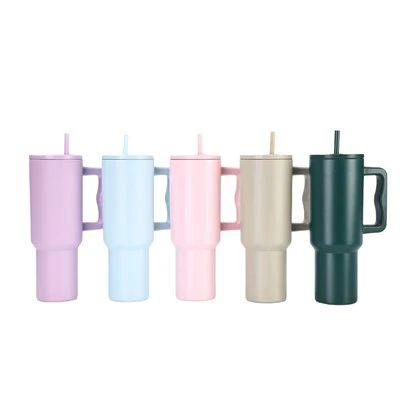
First, let’s start with the basics: why are sports water bottles made the way they are? Most of the ones we supply (and, honestly, most reputable brands out there) are made with BPA-free plastic (like Tritan or Eastman) or stainless steel, right? Those materials are chosen because they’re durable, leak-proof, and stand up to tough use—like being tossed in a gym bag, left in a hot car, or squeezed during a run. But here’s the thing: those material properties that make them great for water don’t always translate to other drinks. That’s where the confusion starts.
Let’s get the big safety question out of the way first: is it safe to put other beverages in a sports water bottle? For the most part, yes—as long as you’re paying attention to a few key things. A lot of people worry about chemicals leaching into their drinks, and that’s a valid concern. But if you’re using a bottle that’s labeled BPA-free (which all our sports bottles are, by the way), the risk is super low. BPA is an old chemical that was used in plastics before we knew better, but modern BPA-free plastics are tested to not leach harmful stuff, even when they’re holding other drinks. The bigger issue isn’t safety, it’s keeping your bottle in good shape and avoiding gross buildup—trust me, I’ve seen too many customers bring back bottles that smell like sour lemonade or have sticky residue because they used them for soda and didn’t clean them right.
Let’s talk about specific drinks, because not all beverages are created equal here. First up: iced coffee and cold brew. This is probably the most popular “side use” people ask about. I’ve had so many customers tell me they use our insulated stainless steel bottles for their morning iced coffee, and that works totally fine—but only if the bottle is properly insulated. If you’re using a single-wall plastic sports bottle (no insulation), your coffee will get warm in like an hour, which is just annoying, not dangerous. The insulated ones keep iced drinks cold for 12+ hours, so that’s a win. But wait—coffee has acids, right? Acids can break down some plastics over time, especially if you’re leaving coffee in the bottle for 8+ hours at a time. That’s why we always recommend rinsing the bottle right after use, not letting coffee sit in there all day. Also, the oils in coffee (especially with milk or syrup) can stick to the inside and leave a weird smell if you don’t wash it with soap and warm water, not just rinse. So keep that in mind if you’re using it for your daily latte.
Next, smoothies and protein shakes. Super common, especially for people who grab a post-workout smoothie or mix protein powder on the go. Again, insulated bottles work great here—they’ll keep your smoothie cold, and the sealed lid prevents spills in your bag. But here’s a catch: thick, pulpy smoothies or protein shakes with a lot of powder can get stuck in the narrow mouth of some sports bottles. If your bottle has a wide mouth, you’re good, but the narrow ones might be a pain to clean. Also, protein shakes have a tendency to curdle if they get warm, and that curd can get trapped in the small crevices of the bottle lid or the straw (if you use one). Pro tip: rinse your bottle right after mixing a protein shake, and use a bottle brush to get into those hard-to-reach spots. I’ve seen people skip this and end up with a bottle that smells like rotten protein—gross, and totally preventable.
What about soda and sparkling drinks? This is a big one, and I get why people want to use their sports bottles for soda—no more cranking open cans at the game, less waste. But wait: carbonation. Most plastic sports bottles (especially the cheaper, single-wall ones) aren’t designed to hold carbonation. The pressure from soda can make some lids not seal properly, or even cause the bottle to expand a little (which can be a problem if you have it in a hot car). Stainless steel insulated bottles are better for carbonation, but even then, we recommend not leaving soda in there for more than a few hours. Also, soda is super sugary and acidic—way more than coffee, in some cases. That sugar can feed bacteria if the bottle isn’t cleaned right, and the acid can cause stainless steel to stain over time, leaving brown spots that don’t come off. If you do use your bottle for soda, make sure to wash it thoroughly, and avoid leaving it in direct sunlight or a hot place—heat makes carbonation pressure spike, which is not great for the bottle or for spilling soda all over your car seat.
Now, what about drinks you should avoid putting in a sports water bottle? I’m not saying you can never use these, but they’re not ideal, and can cause long-term damage. Hot drinks (like tea, hot chocolate) in plastic bottles—plastic isn’t designed for high heat, even BPA-free ones. Hot liquids can make the plastic leach tiny amounts of chemicals (still safe, but not what you want) and can warp the bottle, making the lid not seal right over time. The exception here is insulated stainless steel bottles—those are made to hold hot drinks too, so go for it if you want to bring hot tea to work. Then there’s anything with high alcohol content (like hard liquor) and acidic drinks with really strong pH levels, like citrus juice left in the bottle for days. The acid can eat at the interior coating of some stainless steel bottles over time, which isn’t safe, just bad for the bottle’s lifespan.
Wait, let’s talk about cleaning, because that’s the #1 way to keep your sports bottle working for other drinks. I can’t stress this enough—if you use your bottle for anything other than water, you have to clean it properly every single time. A lot of people think “it’s just a drink, a rinse is enough” but no. Let’s break it down: always hand wash your bottle with warm, soapy water, and use a small bottle brush to get the inside of the body, the lid, the straw (if you have one), and the rubber seals. Those seals are where all the gunk hides—protein residue, coffee oils, soda sugar. If you don’t wash those, bacteria will grow, and your next drink will taste like yesterday’s smoothie. Also, don’t put most sports bottles in the dishwasher! Even if they say “dishwasher safe”, the high heat of the dishwasher can warp plastic and break down the interior coatings of stainless steel bottles over time. Hand washing is way gentler and keeps your bottle lasting longer.
Now, as a supplier, I have to be honest with you: we don’t recommend using our sports water bottles for every beverage, but we definitely don’t say you can only use them for water. Our most popular insulated stainless steel bottle (the one with the wide mouth, perfect for smoothies) is actually used by a lot of customers for iced coffee, protein shakes, and even sparkling water at the gym. But we always send out a little care sheet with every bottle that says “rinse after use, hand wash, don’t leave sugary/acidic drinks in the bottle for more than 4 hours”. That’s the key—moderation and proper cleaning.
I’ve had customers message me saying they used their bottle for iced tea all summer, and it worked great, but they forgot to wash it one time and it got moldy. Or someone who tried soda in a cheap plastic bottle and it spilled all over their backpack because the lid couldn’t handle the carbonation pressure. Those are the mistakes we want you to avoid.
Another thing to consider: the lifespan of your bottle. If you’re using it only for water, it’ll last years. If you’re using it for coffee, smoothies, or soda, you might need to replace it a little sooner, especially the plastic ones. But that’s just common sense—more use, even for other drinks, means more wear and tear. If you take care of it, though, you can get a lot of use out of it.
Wait, let’s address a myth I hear all the time: “Using my sports bottle for other drinks will make it not work as well for water later”. Is that true? No, not at all. If you clean it properly, there’s no leftover residue that will make your water taste like coffee. I’ve had people use their bottles for smoothies all week, wash them, and then drink water and say it tastes totally normal. The only time that happens is if you skip cleaning, and that’s on you, not the bottle.
Let’s wrap this up with a quick checklist if you do want to use your sports water bottle for other beverages:
- Pick the right bottle: Insulated stainless steel is best for hot/cold drinks, carbonation, and thick smoothies. Plastic is okay for cold drinks, but avoid hot stuff or carbonation long-term.
- Rinse immediately after use: Don’t let drinks sit in the bottle for hours, especially sugary or acidic ones.
- Hand wash with soap and a bottle brush: Skip the dishwasher, scrub every nook and cranny.
- Avoid drinks that are super hot (for plastic), high-alcohol, or extremely acidic (like undiluted lemon juice left overnight).
- Inspect your bottle regularly: If you see scratches on the interior of plastic bottles or discoloration on stainless steel, it’s time to replace it—those can trap bacteria.
At the end of the day, your sports water bottle is a versatile tool, not just a one-trick pony. You don’t have to buy a separate bottle for every drink you want. As long as you’re smart about what you put in it and how you clean it, you can use it for iced coffee, smoothies, even sparkling soda (in a stainless steel one) without any issues.

If you’re looking for a durable sports bottle that works great for all these uses, feel free to reach out to chat about our options—we can help you pick the right one for whatever drinks you want to take on the go. Whether you need a bottle for the gym, work, or just running errands, we’ve got you covered.
Coffee Cup References:
- U.S. Food and Drug Administration (FDA). (2023). Bisphenol A (BPA): Use in Food Contact Application.
- National Sanitation Foundation (NSF). (2022). Food Safety for Reusable Water Bottles.
- Eastman Tritan. (2021). Material Properties for Reusable Drinkware.
- International Stainless Steel Forum (ISSF). (2020). Stainless Steel in Food Contact Applications.
Yongkang Paixin Trading & Manufacturing Co., Ltd.
We are one of the most experienced sports water bottle manufacturers and suppliers in China. With a professional production team, we are able to meet the needs of the majority of our customers. Please rest assured to wholesale bulk customized sports water bottle made in China here from our factory.
Address: No. 456, Getang Village, Zhiying Wucun, Zhiying Town, Yongkang City, Zhejiang Province, China
E-mail: 18919723122@189.cn
WebSite: https://www.paxincup.com/
