Hey there! I’m a supplier of box type substations, and I often get asked about the environmental requirements for these nifty pieces of equipment. So, I thought I’d sit down and share some insights on this topic. Box Type Substation

Temperature
One of the most crucial environmental factors for a box type substation is temperature. These substations house a bunch of electrical components, and they’re pretty sensitive to extreme heat or cold.
In hot environments, high temperatures can cause the electrical conductors inside the substation to expand. This expansion can lead to loose connections, which are a big no – no as they can increase resistance and cause overheating. Over time, this can damage the equipment and even pose a fire hazard. For example, if the ambient temperature regularly exceeds 40°C (104°F), the substation might need some extra cooling measures. We usually recommend installing ventilation fans or air – conditioning systems in the substation enclosure. These help to maintain a more stable internal temperature, keeping the equipment running smoothly.
On the flip side, cold temperatures can be a problem too. When it’s really cold, the insulation materials in the substation can become brittle. This makes them more prone to cracking, which can compromise the safety and performance of the electrical components. If the substation is located in an area where the temperature drops below – 20°C (- 4°F), we might suggest using insulation materials that are specifically designed to withstand low temperatures. Also, some heating elements can be installed inside the enclosure to prevent the temperature from getting too low.
Humidity
Humidity is another major factor. High humidity levels can lead to condensation inside the substation. When water droplets form on the electrical components, it can cause corrosion. Corrosion can damage the metal parts of the equipment, such as the busbars and connectors, and it can also lead to short – circuits.
If the substation is in a coastal area or a place with high relative humidity (say, above 80% for extended periods), we need to take extra precautions. One way is to install dehumidifiers inside the substation enclosure. These devices remove moisture from the air, reducing the risk of condensation. Additionally, we can use moisture – resistant coatings on the electrical components to protect them from the corrosive effects of humidity.
Pollution
Pollution in the environment can have a significant impact on box type substations. In industrial areas or places with high levels of dust, dirt, and chemicals, the substation can get dirty pretty quickly.
Dust and dirt can accumulate on the insulators, reducing their insulating properties. This can lead to electrical breakdowns and power outages. For instance, in a coal – fired power plant area, the fine coal dust can settle on the substation’s insulators and create conductive paths. To combat this, we can install air filters at the ventilation openings of the substation. These filters help to keep the dust and dirt out.
Chemicals in the air, such as sulfur dioxide from industrial emissions, can also corrode the metal parts of the substation. In areas with high chemical pollution, we recommend using corrosion – resistant materials for the enclosure and the internal components. Stainless steel or galvanized steel can be good choices for the enclosure, as they are more resistant to corrosion than regular steel.
Altitude
Altitude is an often – overlooked environmental factor. As the altitude increases, the air density decreases. This affects the cooling ability of the substation. At higher altitudes, the same amount of heat generated by the electrical components is harder to dissipate because there’s less air to carry the heat away.
If a substation is installed at an altitude above 1000 meters (3280 feet), we need to derate the equipment. This means reducing its rated capacity to account for the reduced cooling efficiency. For example, a transformer that can handle 1000 kVA at sea level might only be able to handle 900 kVA at an altitude of 2000 meters.
Seismic Activity
In areas prone to earthquakes, the box type substation needs to be designed to withstand seismic forces. The substation should be firmly anchored to the ground to prevent it from toppling over during an earthquake.
We also need to ensure that the internal components are properly secured. Loose components can move around during an earthquake and cause damage to other parts of the substation or create short – circuits. We use special mounting brackets and fasteners to keep the components in place. Additionally, the enclosure should be made of materials that can absorb some of the seismic energy, such as steel with good ductility.
Wind and Rain
Strong winds can pose a threat to the structural integrity of the box type substation. The enclosure needs to be designed to withstand the wind loads in the area where it’s installed. In coastal regions or areas with high – speed winds, the substation should have a robust structure.
Rain can also be a problem. If the substation is not properly sealed, water can enter the enclosure and damage the electrical components. We make sure that the substation has a tight – fitting door and proper gaskets to prevent water from getting in. Also, the enclosure should have a sloped roof to allow rainwater to drain off easily.
Sunlight and UV Radiation
Sunlight and ultraviolet (UV) radiation can cause the materials of the substation enclosure to degrade over time. The paint on the enclosure can fade, and the plastic parts can become brittle. To protect against this, we use UV – resistant paints and materials for the enclosure. These materials are designed to withstand the long – term effects of sunlight and UV radiation, ensuring that the substation looks good and functions properly for a long time.
Conclusion
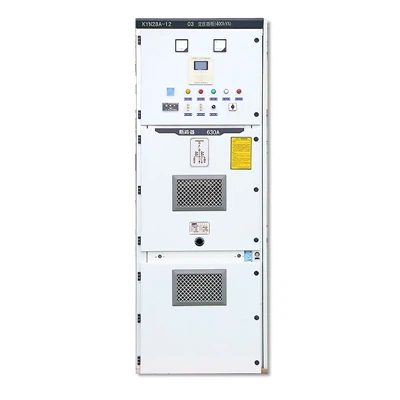
So, there you have it! These are some of the main environmental requirements for a box type substation. As a supplier, we take all these factors into account when designing and manufacturing our substations. We want to make sure that our products can perform well in different environmental conditions, providing reliable power supply to our customers.
Low-Voltage Switchgear If you’re in the market for a box type substation and have specific environmental conditions at your installation site, don’t hesitate to get in touch. We can work with you to customize a substation that meets your exact needs. Whether it’s a substation for a harsh industrial environment or a remote area with extreme weather conditions, we’ve got the expertise to deliver a high – quality solution.
References
- Electrical Equipment Handbook, various editions
- Standards for Substation Design, International Electrotechnical Commission
- Research papers on Environmental Effects on Electrical Equipment from IEEE Journals
Jiangxi Yihong Electric Power Technology Co., Ltd.
As one of the most experienced box type substation manufacturers and suppliers in China, we also support customized service. We warmly welcome you to buy high quality box type substation from our factory. If you have any enquiry about pricelist, please feel free to email us.
Address: Chating Industrial Park, Guangxin District, Shangrao City, Jiangxi Province
E-mail: 15779933057@163.com
WebSite: https://www.yihcn.com/
