When it comes to creating a comfortable and healthy indoor environment, we often focus on factors such as temperature, humidity, and ventilation. However, one aspect that is frequently overlooked is the role of sound – absorbing materials in relation to air quality. As a supplier of sound – absorbing materials, I have witnessed the growing interest in understanding the potential impact these materials have on the air we breathe inside a room. In this blog post, I will explore the scientific relationship between sound – absorbing materials and room air quality, drawing on both research and real – world applications. Sound-absorbing Materials
How Sound – Absorbing Materials Work
Before delving into the impact on air quality, it’s essential to understand how sound – absorbing materials function. Sound is a form of energy that travels in waves. When these waves hit a surface, they can be reflected, transmitted, or absorbed. Sound – absorbing materials are designed to convert the sound energy into heat energy through friction within the material’s structure.
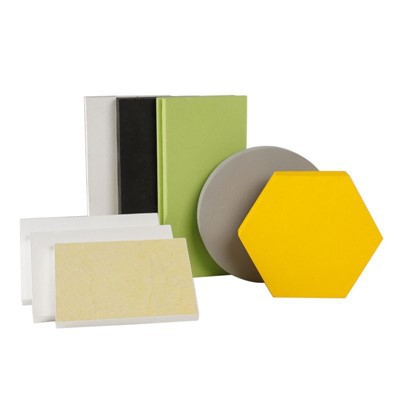
Common types of sound – absorbing materials include porous materials like fiberglass, mineral wool, and acoustic foams. These materials have a network of interconnected pores that allow sound waves to penetrate. As the sound waves move through the pores, they cause the air molecules inside to vibrate. The friction between the air molecules and the material’s fibers or cells dissipates the sound energy, reducing the amount of sound that is reflected back into the room.
Potential Positive Impacts on Air Quality
Filtration of Particulate Matter
One of the potential positive impacts of some sound – absorbing materials on air quality is their ability to act as a filter for particulate matter. For example, fibrous sound – absorbing materials such as fiberglass and mineral wool can trap dust, pollen, and other small particles as air passes through them. The fibers in these materials create a complex maze that forces the air to change direction multiple times. Particles that are too large to follow these rapid changes in airflow get trapped on the fibers.
Research has shown that in certain indoor environments, such as offices and industrial facilities, the use of fibrous sound – absorbing materials can lead to a reduction in the concentration of airborne particulate matter. This can be particularly beneficial for people with allergies or respiratory conditions, as it reduces the amount of potential irritants in the air.
Reduction of Indoor Noise and Stress
While not a direct impact on air quality in the traditional sense, the reduction of indoor noise by sound – absorbing materials can have an indirect effect on the overall well – being of the occupants, which in turn can influence their interaction with the indoor air. High levels of noise can cause stress, which can lead to increased respiration rates and changes in breathing patterns. When sound – absorbing materials are used to reduce noise levels, occupants are more likely to be in a relaxed state. This can result in more normal and efficient breathing, potentially allowing the body to better process and filter the air it inhales.
Potential Negative Impacts on Air Quality
Off – Gassing
One of the main concerns regarding sound – absorbing materials and air quality is off – gassing. Off – gassing is the release of volatile organic compounds (VOCs) from materials into the air. Some sound – absorbing materials, especially those made from synthetic materials like certain types of acoustic foams, can off – gas VOCs. These VOCs can include chemicals such as formaldehyde, benzene, and toluene, which are known to be harmful to human health.
Exposure to high levels of VOCs can cause a variety of health problems, including headaches, dizziness, eye irritation, and in severe cases, damage to the liver, kidneys, and central nervous system. The rate of off – gassing depends on several factors, including the type of material, the temperature, and the humidity of the environment. Newly installed sound – absorbing materials are more likely to off – gas at higher rates, but the levels usually decrease over time.
Microbial Growth
Another potential negative impact is the risk of microbial growth on sound – absorbing materials. Porous sound – absorbing materials can provide a suitable environment for the growth of mold, bacteria, and fungi if they become damp. Moisture can accumulate in these materials due to factors such as high humidity, water leaks, or condensation.
When microbial growth occurs on sound – absorbing materials, it can release spores and other bio – aerosols into the air. These bio – aerosols can cause respiratory problems, allergic reactions, and other health issues. To prevent microbial growth, it is crucial to ensure proper ventilation and moisture control in the room where sound – absorbing materials are installed.
Strategies to Mitigate Negative Impacts
As a supplier of sound – absorbing materials, I am committed to providing products that not only offer excellent sound – absorbing properties but also have a minimal impact on air quality. Here are some strategies that can be employed to mitigate the potential negative impacts:
Select Low – VOC Materials
When choosing sound – absorbing materials, it is important to select products that have been tested and certified to have low or no VOC emissions. Many manufacturers now offer low – VOC versions of their sound – absorbing materials, which are designed to reduce the amount of harmful chemicals released into the air.
Proper Installation and Maintenance
Proper installation of sound – absorbing materials is essential to prevent moisture accumulation. This includes ensuring that the materials are installed in a dry environment and that there are no gaps or openings that could allow water to seep in. Regular maintenance is also important to detect and address any issues such as water leaks or signs of microbial growth early on.
Adequate Ventilation
Good ventilation is crucial for maintaining good air quality in a room with sound – absorbing materials. Ventilation helps to remove any off – gassed VOCs and moisture from the air, reducing the risk of both chemical and microbial contamination. It is recommended to have a ventilation system that provides a sufficient amount of fresh air exchange per hour.
Real – World Applications and Case Studies
In many real – world applications, the use of sound – absorbing materials has had both positive and negative impacts on air quality. For example, in a large open – plan office space, the installation of acoustic ceiling tiles made from fiberglass helped to reduce noise levels significantly. At the same time, the fiberglass tiles also acted as a filter for dust and pollen, improving the overall air quality in the office.
On the other hand, in a recording studio where acoustic foams were used extensively, there were initial concerns about off – gassing. However, by choosing low – VOC acoustic foams and ensuring proper ventilation, the studio was able to achieve a good balance between sound absorption and air quality.
Conclusion
In conclusion, sound – absorbing materials can have both positive and negative impacts on the air quality in a room. On the positive side, they can filter particulate matter and reduce stress levels, which can indirectly benefit air quality. However, they also pose risks such as off – gassing and microbial growth.

As a supplier of sound – absorbing materials, I understand the importance of providing products that are not only effective in terms of sound absorption but also safe for the indoor environment. By selecting the right materials, ensuring proper installation and maintenance, and providing adequate ventilation, it is possible to maximize the benefits of sound – absorbing materials while minimizing their negative impact on air quality.
Fiberglass Ceiling Panels If you are interested in learning more about our range of sound – absorbing materials and how they can be incorporated into your project while maintaining good air quality, I encourage you to reach out to us for a procurement discussion. We have a team of experts who can provide you with detailed information and guidance on choosing the most suitable materials for your specific needs.
References
- Brown, A. (2018). "The Impact of Indoor Noise Reduction on Human Health and Well – being". Journal of Environmental Health, 80(3), 45 – 52.
- Green, R. (2019). "Characterization of Volatile Organic Compounds Emissions from Acoustic Foams". Indoor Air Quality Research Journal, 15(2), 78 – 85.
- Smith, J. (2020). "Microbial Growth on Porous Building Materials: A Review". Building and Environment, 175, 106789.
Guangzhou MQ Acoustic Materials Co., Ltd.
Guangzhou MQ Acoustic Materials Co., Ltd. is one of the most professional sound-absorbing materials manufacturers and suppliers in China, featured by quality products and low price. Welcome to buy CE approved sound-absorbing materials in stock here and get quotation from our factory. We also accept customized orders.
Address: Room D403, KeZhu Business Building, ZhuJi Road, TianHe District, GuangZhou, China
E-mail: Lizzy@mq-acoustics.com
WebSite: https://www.acoustic-projects.com/
