Hey there, fellow designers and print enthusiasts! I’m here as a DTF printer supplier to share some tips on how to convert your design files into a format that’s perfect for DTF printers. Whether you’re a newbie or an experienced pro, getting your files in the right shape can make a huge difference in the final print quality. DTF Printer
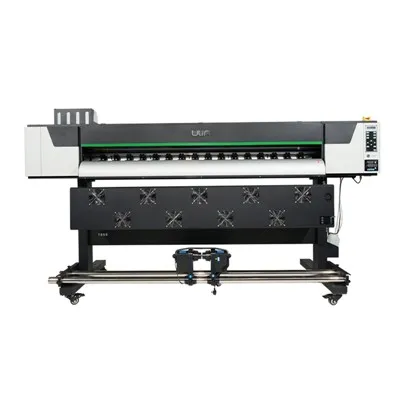
First off, let’s talk about why it’s so important to get the file format right. DTF, or Direct to Film, printing is a super cool technology that allows you to print high – quality, detailed designs on various materials. But if your design file isn’t in the proper format, all that amazing potential can go to waste. You might end up with blurry prints, color inaccuracies, or other issues that can really mess up your project.
One of the most common file formats for DTF printing is the PNG format. PNG is great because it supports transparency, which is super useful if you’re working on designs that have elements with see – through parts. For example, if you’re creating a logo with a fancy cut – out shape or a design that needs to be placed on a different background, the transparency feature in PNG ensures that your design will blend seamlessly. To convert your file to PNG, most graphic design software like Adobe Photoshop or GIMP makes it a breeze. Just go to the "Save As" or "Export" option, and then select PNG from the list of available file formats. You can usually adjust the compression level too. A lower compression will give you a higher – quality image but a larger file size, while a higher compression will reduce the file size but might sacrifice a bit of quality. It’s all about finding that sweet spot.
Another format that works well is the JPEG format. JPEG is widely used because it has relatively small file sizes, which is handy if you’re dealing with limited storage or need to send your files quickly over the internet. However, it’s important to note that JPEG is a lossy compression format. That means every time you save or edit a JPEG file, you’ll lose a bit of image quality. So, if you’re starting with a high – resolution design and plan to make multiple edits, it’s best to work in a non – lossy format like PNG first and then convert to JPEG when you’re ready to print. To convert to JPEG, just follow a similar process as with PNG. In your design software, go to the save or export function and choose JPEG. You can adjust the quality settings here too. A higher quality setting will keep more of the original image details but result in a larger file size.
TIFF is also a solid option for DTF printing. TIFF is a lossless format, which means it retains all the original image data. This is great for high – resolution, detailed designs where you don’t want to lose any quality. However, TIFF files can be quite large. If you’re sending your files to a printer, it might take longer to transfer, and you’ll need more storage space on your device. To convert to TIFF, again, use the save or export features in your design program and select TIFF. Make sure to check the settings for things like bit depth and color space. A higher bit depth will give you more color accuracy, but it’ll also increase the file size.
Now, let’s talk about color profiles. This is a really important aspect when it comes to getting accurate colors in your DTF prints. Different monitors and printers can display and reproduce colors differently. That’s why you need to make sure your design file has the right color profile. One of the most commonly used color profiles for printing is sRGB. It’s a standard color space that most devices can understand, so it’s a safe bet. You can usually set the color profile in your design software. In Photoshop, for example, you can go to the "Edit" menu, then "Convert to Profile" and select sRGB. This will ensure that the colors in your design look as close as possible to what you see on your screen when they’re printed.
Resolution is another key factor. For DTF printing, a resolution of at least 300 DPI (dots per inch) is recommended. A higher DPI means more detail in your print. If your design has small text or intricate details, a low – resolution file might make those elements look blurry or pixelated. To check and adjust the resolution, in most design software, you can go to the "Image Size" or "Document Size" option. You can change the DPI value there. Just be careful when increasing the DPI because it can also increase the file size significantly.
Once you’ve got your file in the right format, with the correct color profile and resolution, it’s time to do a test print. This is super important because it allows you to spot any potential issues before you start printing a large batch. You can use a small piece of film or a test material to see how the colors look, if the details are sharp, and if the overall design is printing as expected. If you notice any problems, you can go back and make adjustments to your file.
As a DTF printer supplier, I know how crucial it is to get every step right. The right file format, color profile, and resolution can make a world of difference in the final print quality. And that’s what we’re all after, right? Great – looking prints that really pop.
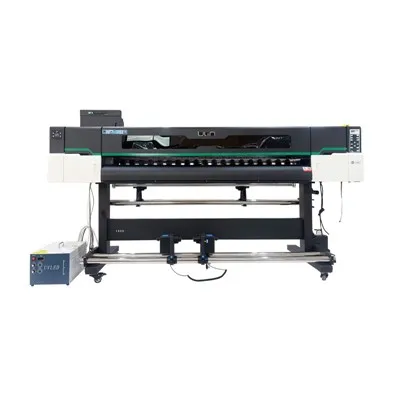
If you’re in the market for a DTF printer or have any questions about the printing process, I’d love to have a chat with you. Whether you’re a small – scale designer looking to add custom prints to your products or a large – scale business in need of high – volume printing solutions, we’ve got the expertise and the printers to meet your needs. Don’t hesitate to reach out and start a conversation about your printing requirements. We can work together to find the best solutions for your projects.
Sublimation Printer References:
- Adobe Photoshop User Guide
- GIMP Documentation
- General DTF Printing Industry Knowledge
Hangzhou Yulan Technology Co., Ltd.
Hangzhou Yulan Technology Co., Ltd. is one of the most professional DTF printer manufacturers and suppliers in China. With abundant experience, we warmly welcome you to wholesale the newest DTF printer in stock here from our factory. Good service and quality products are available.
Address: Building, No.128 Rihui Road, Linping District, Hangzhou, China.
E-mail: ulinprint@gmail.com
WebSite: https://www.ulinprinter.com/
