As a silicone hose supplier, ensuring that our products meet food safety standards is of utmost importance. It not only guarantees the health and well – being of our customers but also reflects our commitment to quality and compliance. Here is how I approach this process to ensure our silicone hoses are safe for food contact. Silicone Hose

Understanding Food Safety Standards
The first step in ensuring our silicone hoses meet food safety standards is to have a comprehensive understanding of these standards. Different countries and regions have their own sets of regulations regarding food – contact materials. In the United States, the Food and Drug Administration (FDA) has specific requirements outlined in 21 CFR (Code of Federal Regulations). These regulations cover issues such as the composition of materials, allowable additives, and limits on migration of substances from the material to food.
In the European Union, the Regulation (EU) No 10/2011 lays down the safety requirements for plastic materials and articles intended to come into contact with food. Although silicone is not strictly a plastic, many of the principles regarding food safety apply. Other countries such as Australia, Japan, and China also have their own national food safety standards for food – contact materials.
We stay updated with these regulations by subscribing to industry newsletters, participating in regulatory seminars, and maintaining close communication with regulatory authorities. This allows us to anticipate any changes in the standards and make necessary adjustments to our manufacturing processes in a timely manner.
Selecting High – Quality Raw Materials
The quality of raw materials is the foundation for producing food – safe silicone hoses. We source our silicone rubber from reputable suppliers who can provide detailed material safety data sheets (MSDS) and certificates of compliance with relevant food safety standards.
The silicone rubber used in our food – grade hoses is typically platinum – cured. Platinum – cured silicone has several advantages over other types of curing systems. It has a higher purity level, as it does not contain the potentially harmful peroxides used in peroxide – cured silicone. This results in less odor and taste transfer to the food, which is crucial for maintaining the integrity of the food product.
In addition to the base silicone rubber, we are also careful about the selection of additives. Additives such as pigments, fillers, and processing aids must also comply with food safety regulations. For example, the pigments used to color the silicone hoses must be approved for food – contact applications. We work closely with our raw material suppliers to ensure that all additives meet the necessary safety requirements.
Stringent Manufacturing Processes
Our manufacturing processes are designed to minimize the risk of contamination and ensure the consistent quality of our food – grade silicone hoses.
Clean Production Environment
We have established a dedicated clean production area for manufacturing food – grade silicone hoses. This area is regularly cleaned and disinfected to prevent the introduction of foreign particles, bacteria, and other contaminants. Workers are required to wear cleanroom – style clothing, including hairnets, masks, and gloves, to minimize the transfer of human – derived contaminants.
Precise Mixing and Curing
The mixing of raw materials is a critical step in the manufacturing process. We use precision mixing equipment to ensure that all ingredients are evenly distributed throughout the silicone rubber. This helps to maintain the uniformity of the hose’s properties and reduces the risk of localized areas of non – compliance with food safety standards.
The curing process is also carefully controlled. We use state – of – the – art curing ovens that can maintain a precise temperature and time profile. This ensures that the silicone rubber is fully cured, which is essential for achieving the desired mechanical properties and chemical stability of the hose.
Quality Control Checks
At every stage of the manufacturing process, we conduct comprehensive quality control checks. These checks include visual inspections, dimensional measurements, and physical and chemical property tests. For example, we test the hardness, tensile strength, and elongation of the silicone hoses to ensure they meet the specified requirements.
We also perform migration tests to determine the amount of substances that can migrate from the silicone hose to the food. This is done using simulated food contact conditions, such as soaking the hose in food – simulant liquids for a specified period. The results of these tests are compared against the limits set by relevant food safety standards.
Third – Party Testing and Certification
To provide an additional layer of assurance to our customers, we regularly send our silicone hoses to independent third – party testing laboratories for verification. These laboratories are accredited and have the expertise and equipment to conduct a wide range of tests in accordance with international food safety standards.
The third – party testing typically includes tests for chemical composition, migration of substances, and microbiological contamination. Once the hoses pass these tests, we receive certificates of compliance, which we can provide to our customers upon request.
Traceability and Documentation
We maintain a comprehensive traceability system for all our food – grade silicone hoses. This system allows us to track the origin of raw materials, the manufacturing process, and the distribution of the final products. In the event of a quality issue or a regulatory inquiry, we can quickly identify the source of the problem and take appropriate corrective actions.
In addition to traceability, we also keep detailed documentation of all our manufacturing processes, quality control checks, and test results. This documentation serves as evidence of our compliance with food safety standards and can be used to demonstrate our commitment to quality and safety to our customers and regulatory authorities.
Continuous Improvement
The field of food safety is constantly evolving, and we are committed to continuous improvement. We regularly review our manufacturing processes, quality control systems, and raw material sourcing to identify areas for improvement.
We also encourage feedback from our customers. Their experiences and suggestions can provide valuable insights into how we can further enhance the safety and performance of our food – grade silicone hoses.
Conclusion
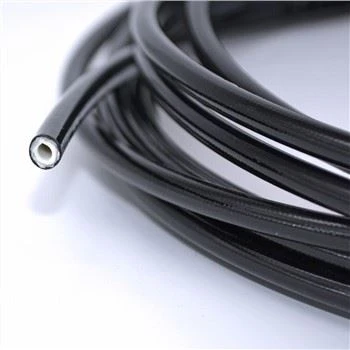
Ensuring that our silicone hoses meet food safety standards is a multi – faceted process that requires a deep understanding of regulations, careful selection of raw materials, strict manufacturing processes, third – party testing, traceability, and continuous improvement. By following these steps, we can provide our customers with high – quality, food – safe silicone hoses that meet their needs.
Thermoplastic Hydraulic Hose If you are in the market for food – grade silicone hoses, we would be delighted to discuss your requirements. Our team of experts can provide you with detailed information about our products, manufacturing processes, and compliance with food safety standards. Contact us to start a conversation about your procurement needs.
References
- U.S. Food and Drug Administration (FDA). 21 CFR Parts 170 – 199.
- European Union. Regulation (EU) No 10/2011 on plastic materials and articles intended to come into contact with food.
- Industry newsletters and publications on food – contact materials.
Hebei Qianli Rubber Products Co., Ltd.
As one of the most professional silicone hose manufacturers and suppliers in China, we have world-leading production equipment and strong manufacturing capabilities. Please feel free to buy bulk durable silicone hose made in China here from our factory.
Address: West industrial Zone, Jing County, Hengshui City, Hebei Province, China.
E-mail: manager@hebeiqianli.com
WebSite: https://www.qianlirubber.com/
