Hey there! I’m a supplier of tubular towers, and I’ve been getting a bunch of questions lately about how these tubular towers can affect radio signals. So, I thought I’d sit down and share my thoughts and insights on this topic. Tubular Tower

First off, let’s get to know what tubular towers are. Tubular towers are these tall, cylindrical structures that are commonly used to support various equipment, especially for telecommunications and broadcasting. They’re made of steel or sometimes other sturdy materials, and they come in different heights and sizes depending on what they’re gonna be used for.
So, how do they impact radio signals? Well, it’s a bit of a mix – there are both positive and negative effects.
Positive impacts
Enhanced signal coverage
One of the biggest advantages of using tubular towers is that they can greatly boost the coverage area of radio signals. Radio signals generally travel in a straight line, and if there are obstacles in their path, the signal can get blocked or weakened. Tubular towers are designed to be tall, so they can lift the radio antennas above most of the obstacles like buildings, trees, and hills.
Let’s say you’ve got a radio station trying to reach a wide area. By mounting the antennas on a tall tubular tower, the signals can travel much further without being interrupted. This is because the higher the antenna is placed, the less likely it is to be affected by ground – level interference. It’s like standing on a hill and shouting – you can be heard from much farther away compared to when you’re standing at the bottom of the hill.
Signal stability
Tubular towers offer a stable platform for radio antennas. When the wind blows or there are small tremors in the ground, a well – built tubular tower can keep the antennas steady. This stability is crucial because any movement of the antenna can cause fluctuations in the radio signal. For example, if an antenna sways in the wind, it might change the direction it’s pointing in, and that could lead to a loss of signal in some areas. With a tubular tower, the antennas are firmly held in place, ensuring a more consistent and reliable signal for the users.
Multipath signal improvement
In some cases, tubular towers can also help with multipath signals. Multipath signals occur when radio waves reflect off objects like buildings and mountains and reach the receiver at different times. This can cause interference and signal degradation. However, by carefully positioning the antennas on a tubular tower, you can optimize the way the signals are transmitted and received. You can adjust the antenna’s height and angle to reduce the impact of multipath signals and improve the overall quality of the radio transmission.
Negative impacts
Radio signal reflection
Tubular towers are usually made of metal, which is a good conductor of electricity. This means that radio signals can bounce off the surface of the tower. Sometimes, these reflections can cause interference. For instance, if a reflected signal reaches the receiver at the same time as the direct signal, it can create a phenomenon called fading. Fading can make the radio signal weaker or even cause it to drop out completely in some areas.
To deal with this issue, we often use special materials or coatings on the tubular towers to reduce the amount of signal reflection. Another solution is to position the antennas in such a way that the reflected signals are minimized.
Shadowing effect
The structure of a tubular tower itself can create a shadowing effect on radio signals. Just like a big building can cast a shadow on sunlight, a tubular tower can cast a "shadow" on radio signals. If a receiver is located behind the tower relative to the antenna, the tower can block part of the signal, leading to a weak or no – signal area. This is a common problem, especially in urban areas where there are multiple tubular towers and other obstacles.
To mitigate the shadowing effect, we carefully plan the layout of the towers and the placement of the antennas. For example, we might use multiple towers and antennas in a way that compensates for the shadowing of individual towers.
Interference with other frequencies
Tubular towers can sometimes interfere with other radio frequencies in the vicinity. If the tower is not properly designed or if the antennas on it are not tuned correctly, they can emit signals on frequencies that are supposed to be used by other radio systems. This can lead to interference and disrupt the normal operation of other radio services.
To prevent this, we follow strict regulations and standards when designing and installing tubular towers. We make sure to conduct thorough frequency – planning studies to ensure that the towers do not cause any interference with other radio systems.
Factors affecting the impact on radio signals
There are several factors that can influence how a tubular tower affects radio signals.
Tower height
As I mentioned earlier, the height of the tower plays a big role in signal coverage. Generally, the taller the tower, the better the signal coverage. But there’s a limit to this. If the tower is too tall, it might be more prone to wind – induced vibrations, which can affect the stability of the antennas. Also, very tall towers can be more expensive to build and maintain.
Tower material
The material of the tower can also impact radio signals. Metal towers, as I’ve said, can cause reflection and interference. But they’re also very strong and durable. Some newer materials, like fiberglass, are being used more often because they have less of an impact on radio signals. However, fiberglass towers might not be as strong as metal ones, so they’re usually used in situations where less structural support is needed.
Antenna placement on the tower
The position of the antennas on the tower is crucial. If the antennas are placed too low, they might be affected by ground – level interference. If they’re placed too high, they might be more exposed to strong winds and other environmental factors. We need to find the right balance to ensure optimal signal performance.
Surrounding environment
The environment around the tubular tower can also affect radio signals. In a rural area with few obstacles, the tower might have a more straightforward impact on the signals. But in an urban area with lots of buildings, other towers, and electronic devices, the situation can be much more complex. The presence of other radio – emitting sources can also cause interference, and the tower needs to be designed and installed in a way that takes all these factors into account.
How we, as a tubular tower supplier, can help
As a tubular tower supplier, we’ve got the expertise and experience to minimize the negative impacts and maximize the positive ones. We work closely with our clients to understand their specific needs for radio signal transmission.
We use advanced design and engineering techniques to ensure that our tubular towers are built to the highest standards. We take into account all the factors I mentioned above, such as tower height, material, antenna placement, and the surrounding environment. We also conduct thorough testing before the towers are installed to make sure they won’t cause any interference with other radio systems.
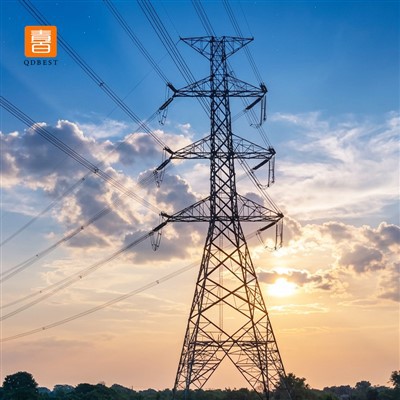
If you’re in the market for a tubular tower for your radio signal needs, we’re here to assist you. Whether you’re a small – scale radio operator or a large – scale telecommunications company, we can offer customized solutions that meet your requirements. We’ve got a wide range of tower sizes and materials to choose from, and our team of experts can help you make the right decision.
Telecommunication Tower So, if you’re interested in learning more or want to discuss your project, don’t hesitate to reach out. We’re looking forward to working with you and helping you get the best out of your radio signal transmission with our reliable tubular towers.
References
- Kraus, J. D., & Marhefka, R. J. (2002). Antennas for All Applications. McGraw – Hill.
- Balanis, C. A. (2016). Antenna Theory: Analysis and Design. Wiley.
- Telecommunications Industry Association (TIA) standards related to tower construction and installation.
Qingdao BEST Steel Structure Co., Ltd.
Qingdao BEST Steel Structure Co., Ltd. is one of the most professional tubular tower manufacturers and suppliers in China. We warmly welcome you to buy customized tubular tower made in China here from our factory. If you have any enquiry about OEM service, please feel free to email us.
Address: Jiaobei Industrial Park, Qingdao, China
E-mail: sales@qdbsstower.com
WebSite: https://www.qdbsstower.com/
