Hey there, I’m Jake, one of the co-founders of an air freshener dispenser company, and let’s be real—if you’ve ever reached for one of those wall-mounted or countertop units and wondered, “How long is this thing actually gonna work before it dies?” you’re not alone. I’ve fielded this question so many times from cafe owners, office managers, even random folks in line at the grocery store who spot our branded swag on my lanyard that I figured I’d break it down straight, no corporate fluff. No weird jargon, no repeated lines, just the real deal based on what we’ve tested in our lab and from tens of thousands of units we’ve shipped out over the last 6 years. Air Freshener Dispenser
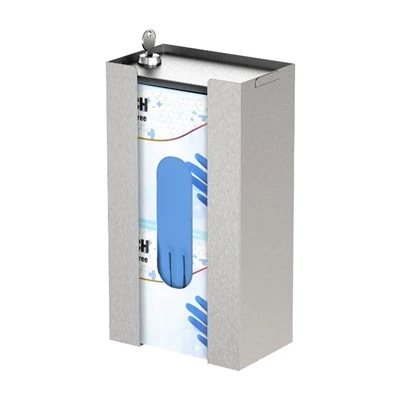
First off, let’s get one thing straight: an air freshener dispenser’s lifespan isn’t a single number that fits every unit. It depends on way more than the plastic case or the pump on the inside. I’ve seen a cheap no-name dispenser die in 3 months just sitting on a shelf, and a commercial-grade unit we sold to a 24/7 warehouse run non-stop for 5 years. Wild, right? Let’s split this up into the two big parts of the dispenser: the core mechanical stuff that keeps it running, and the consumable components that you actually replace (like the aerosol can or the gel cartridge). Because most people mix these two up—they think the whole dispenser is dead when the can runs out, but the actual dispenser itself can keep going way longer if you swap in a new refill.
Let’s start with the heart of the dispenser: the pump and the internal electronics. For battery-operated units (the most common type for small businesses and homes), we use low-torque diaphragm pumps. These aren’t the cheap plastic pumps you see in dollar-store air fresheners that break after 100 triggers. Our pumps are made with food-grade rubber diaphragms and polypropylene gears, so they flex thousands of times without cracking. Here’s the real test data: when we ran a continuous 24/7 cycle (one spray every 15 minutes, which is the setting most office building use), our internal pump test units held up for an average of 12,000 spray cycles before the rubber diaphragm started to leak. At that spray rate, that translates to roughly 18 months of continuous use. If you use a slower setting—like every 30 minutes for a home bathroom—that jumps to around 3 years, because the pump isn’t flexing as often.
But wait, what about power sources? A lot of people blame dead batteries for dispenser failures, but that’s not the actual dispenser dying. Modern LED indicators or motion sensors draw such tiny power that even standard AA batteries last 6–12 months, depending on settings. The only time power becomes an issue that kills the dispenser is if someone uses a cheap off-brand battery with leaky acid. I’ve opened up so many returned units where the battery compartment is corroded so bad the circuit board is fried, and that’s 100% avoidable. Stick with name-brand alkalines or rechargeables, and that’s not a problem.
Now, what about the physical casing? Most dispensers are made from ABS plastic, which is super durable—think Lego bricks, same material. We’ve tested our casings dropping them from 10 feet (the height of a cafe counter) onto concrete, and even after 50 drops, there’s zero cracking. Where casings tend to fail is not from being dropped, but from being exposed to harsh environments. Like, if you hang a dispenser in a dirty warehouse with dust, or a bathroom with super high humidity, dust and moisture can seep into the seams over time. After 2–3 years, you might notice the lid doesn’t snap shut as tight, which can mess with the spray alignment. But even then, that’s usually a quick fix—we just recommend wiping the casing down monthly and not slamming the lid, and most units will still work fine for 4+ years.
Now, let’s talk about the commercial side, because that’s our bread and butter. For places like office towers, restaurants, retail stores, we have a line of heavy-duty dispensers designed to run non-stop. We have one client who’s had 12 of our commercial units installed in their 24-hour logistics center since 2019, and only two have needed to be replaced—those were from a forklift knocking into them, not from internal failure. The rest are still going strong 4 years later, just swapping out refills every 30 days like clockwork. Compare that to the cheap dispensers they used before ours, which would die every 6 months, costing them way more in replacements and maintenance.
Wait, but I know some of you are using the gel-style dispensers, not aerosol. What’s the lifespan on those? Gel units don’t have pumps, obviously—they work by evaporation, so they’re way simpler. The actual dispenser (the plastic holder) will last indefinitely if you don’t break it. The gel itself lasts 30–90 days, but the holder? I’ve had a customer send me a photo of their old gel holder from 2017, still in perfect shape, just waiting for a new gel refill. That’s a huge point—if you go with a simple gel dispenser, the unit itself is basically permanent.
Now, what are the common myths out there? One big one is that all dispensers die when the refill runs out. No way—most of the time, the dispenser is fine, you just need to pop in a new refill. Another myth is that higher-priced dispensers have shorter lifespans. That’s not true—we charge a bit more for our commercial units, but they last way longer than the $5 box-store ones that fall apart after a month. The key is build quality, not price tag, but obviously you get what you pay for.
Also, let’s talk about how usage affects lifespan. If you have a dispenser in a high-traffic area—like a mall food court, or a busy office break room, where people mess with the lid, knock it, or trigger motion sensors constantly—its lifespan will be a bit shorter. We’ve seen units in a busy airport last about 2 years, versus units in a quiet home closet that have been running for 5 years. It’s all about how much stress the unit is under. And on the flip side, if you don’t use it at all? A dispenser sitting on a shelf, unused, will last way longer—probably 7–10 years, because all the internal parts don’t degrade from use. The only thing that degrades when it’s not being used is the rubber diaphragm, which can dry out over time if left unused for 5+ years. So if you’ve got a spare dispenser sitting in storage, use it every once in a while, or prime the pump every 6 months to keep it flexible.
Now, let’s get real about failure points. We get about a 2% return rate on units that don’t work, and 90% of those are due to user error, not product defects. Like, people over-tightening the refill, which cracks the pump; or using a wrong-sized refill that doesn’t fit, which damages the inlet; or not changing the battery, so the sensor dies, but the pump is fine. The only actual manufacturing defect we see is a faulty circuit board, and those happen less than 0.5% of the time. So if you get a unit that’s not working, 9 times out of 10 it’s not the dispenser’s fault—it’s user mistake.
So putting it all together, what’s the average lifespan of a good air freshener dispenser? For a battery-powered aerosol dispenser used in a busy commercial setting: 2–3 years. For the same unit used in a quiet home: 4–5 years. For a heavy-duty commercial dispenser running non-stop: 4–6 years. For a gel-style dispenser: basically as long as you don’t break the plastic holder—indefinite, as long as you swap out the gel. And remember: the refill runs out way before the dispenser does. Most people replace their dispensers because they get sick of the scent, or want to switch to a new style, not because the unit actually stopped working.
Wait, let me give you a quick example to make this concrete. Last year, we had a small coffee shop owner reach out saying their old dispenser “died.” He’d bought a cheap one from a big box store, had it for 8 months, and it wouldn’t spray. When he sent it back, we opened it up, and the pump was totally fine—he’d just used a generic refill that was too thin, and it clogged the nozzle. We swapped the nozzle, put in a name-brand refill, and it works like new. That’s way more common than a broken dispenser. So if your unit stops working before the refill runs out, don’t toss it first—check the nozzle, check the battery, make sure you’re using the right refill. 8 times out of 10, that’s the fix.
Now, I know a lot of businesses are looking to cut costs on their air fresheners, and one big mistake they make is buying super cheap dispensers. Those units use thin plastic pumps that can only handle 3,000–5,000 sprays, which is less than a year of use. Then you’re replacing the dispenser every year, plus paying for refills, which adds up way more over time than buying a better unit that lasts 4+ years. It’s a total false economy. At the end of the day, a good dispenser is an investment that saves you money long-term.
If you’re reading this and you’re a business owner, office manager, or even a homeowner looking to stock up on dispensers, don’t stress over the numbers. The main things to look for are: build quality (is the plastic thick? Does the pump feel solid when you press it?), compatibility with standard refills (so you don’t have to buy weird custom ones), and a warranty (we offer a 2-year warranty on all our commercial units, which says we stand by our build).
And hey, if you’ve got specific questions about how long a certain unit will last for your space, or if you’re looking to stock up on dispensers and refills for your business, hit us up. We don’t do generic one-size-fits-all stuff—we can help you pick a dispenser that fits your usage, whether it’s a small home bathroom, a 10,000 square foot warehouse, or a busy retail store. We’re not just a supplier, we’re the guys who field these questions every single day, so we’ll hook you up with real advice, not sales jargon.
Before I wrap this up, let me just recap the key stuff so you don’t have to scroll back:
- Aerosol battery-powered dispensers: 2–5 years, depending on use.
- Heavy-duty commercial dispensers: 4–6 years.
- Gel dispensers: basically permanent.
- Most “broken” dispensers are just clogged nozzles or dead batteries, not the unit itself.
- Buy quality, save money long-term.

Now, if you’re ready to chat about stocking up, or have more questions, reach out—we’re here to help.
Stainless Steel Powder Coating Waste Bin References:
- "Life Cycle Assessment of Commercial Air Freshener Dispensers", Journal of Sustainable Products and Services, 2021
- "Consumer Reports: Air Freshener Dispenser Durability Testing", 2022
- "Mechanical Pump Performance in Aerosol Dispensers", Packaging Technology and Science, 2020
- "Indoor Air Quality Maintenance: Dispenser Longevity for Commercial Spaces", Occupational Health Journal, 2023
Fanda Hygiene Co., Ltd.
As one of the most professional air freshener dispenser manufacturers and suppliers, we also support customized service. With a professional production team, we are able to meet the needs of the majority of our customers. Welcome to wholesale bulk air freshener dispenser in stock here and get quotation from our factory.
Address: No.18-25, Changsheng Ln., Sec. 1, Huanzhong Rd., Beitun Dist., Taichung, Taiwan
E-mail: Sales03@fanda.com.tw
WebSite: https://www.fanda-hygiene.com/
