Outdoor swing chains are a popular choice for many outdoor enthusiasts, offering a blend of functionality and aesthetic appeal. As a supplier of outdoor swing chains, I often receive inquiries from customers about the suitability of these chains in windy environments. This blog aims to delve into this topic, providing a comprehensive analysis based on scientific principles and real – world experience. Outdoor Swing Chains

Understanding the Forces at Play in a Windy Environment
When considering the use of outdoor swing chains in a windy environment, it’s crucial to understand the forces that wind exerts on the swing and its components. Wind is essentially moving air, and when it encounters an object like a swing, it applies a force known as drag force. The magnitude of this drag force depends on several factors, including the wind speed, the surface area of the object exposed to the wind, and the shape of the object.
The formula for drag force (Fd) is given by:
Fd = 0.5 * ρ * v² * Cd * A
where ρ is the air density, v is the wind speed, Cd is the drag coefficient (which depends on the shape of the object), and A is the cross – sectional area of the object perpendicular to the wind direction.
For outdoor swing chains, the drag coefficient is relatively low because of their slender shape. However, the total drag force on the swing system (including the seat and the chains) can still be significant, especially at high wind speeds. As the wind speed increases, the drag force increases quadratically, which means that a small increase in wind speed can lead to a large increase in the force acting on the swing.
Structural Integrity of Outdoor Swing Chains
The structural integrity of outdoor swing chains is a key factor in determining their suitability for windy environments. High – quality outdoor swing chains are typically made from materials such as galvanized steel or stainless steel, which offer excellent strength and corrosion resistance.
Galvanized steel chains are coated with a layer of zinc, which protects the underlying steel from rust and corrosion. The zinc coating acts as a sacrificial anode, corroding in place of the steel. This makes galvanized steel chains a durable option for outdoor use. Stainless steel chains, on the other hand, contain chromium, which forms a passive oxide layer on the surface of the chain. This layer prevents the steel from further oxidation, giving stainless steel chains exceptional corrosion resistance.
In terms of strength, both galvanized steel and stainless steel chains can withstand significant tensile forces. However, the design of the chain, including the link size and the manufacturing process, also plays a role in its ability to handle wind – induced forces. Well – made chains with properly sized links and secure connections are more likely to maintain their structural integrity in windy conditions.
Safety Considerations
Safety should always be the top priority when using outdoor swing chains in a windy environment. One of the main safety concerns is the potential for the swing to sway excessively, which could cause it to tip over or collide with nearby objects. This can be particularly hazardous if there are children or pets in the vicinity.
To mitigate this risk, it’s important to ensure that the swing is properly installed. The swing should be attached to a sturdy support structure, such as a strong tree branch or a well – built swing set frame. The support structure should be able to withstand the additional forces exerted by the wind. Additionally, the chains should be properly tensioned to minimize excessive movement.
Another safety consideration is the potential for the chains to break under high wind loads. While high – quality chains are designed to be strong, extreme wind conditions can still pose a risk. Regular inspections of the chains are essential to check for signs of wear, corrosion, or damage. Any signs of weakness should be addressed immediately by replacing the affected chains.
Real – World Experience and Case Studies
Over the years, as an outdoor swing chain supplier, I have received feedback from customers about their experiences using our chains in different weather conditions. In many cases, customers have reported that our chains have held up well in moderately windy environments. However, in areas prone to strong winds or storms, some customers have encountered challenges.
For example, in coastal regions where strong winds are common, some customers have noticed that the swing may sway more than usual. In some cases, the chains have shown signs of wear over time due to the constant stress from the wind. To address these issues, we have recommended that customers consider using heavier – duty chains or adding additional support to the swing set.
In one case study, a customer in a mountainous area with frequent gusty winds installed a swing using our standard – duty chains. Initially, the swing worked fine. However, after a few months, the customer reported that the chains were starting to show signs of fatigue. We recommended upgrading to our heavy – duty chains, which have a higher tensile strength. After the upgrade, the customer reported that the swing was more stable and the chains showed no further signs of wear.
Recommendations for Using Outdoor Swing Chains in Windy Environments
Based on scientific knowledge and real – world experience, here are some recommendations for using outdoor swing chains in windy environments:
- Choose the Right Chain: Select chains made from high – quality materials such as galvanized steel or stainless steel. Consider using heavy – duty chains if you live in an area prone to strong winds.
- Proper Installation: Ensure that the swing is installed on a sturdy support structure. The chains should be properly attached and tensioned to minimize excessive movement.
- Regular Inspections: Conduct regular inspections of the chains to check for signs of wear, corrosion, or damage. Replace any damaged or worn chains immediately.
- Wind – Monitoring: Keep an eye on weather forecasts, especially during periods of high wind. If strong winds are expected, it may be advisable to remove the swing or secure it to prevent damage.
Conclusion
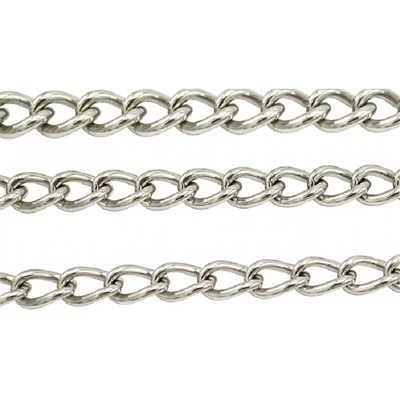
In conclusion, outdoor swing chains can be used in a windy environment, but it’s important to take several factors into account. Understanding the forces exerted by the wind, ensuring the structural integrity of the chains, and prioritizing safety are all essential for a successful outdoor swing experience.
Swing As a supplier of outdoor swing chains, I am committed to providing high – quality products that meet the needs of our customers. Our chains are designed and manufactured to withstand a variety of environmental conditions, including windy weather. If you are considering purchasing outdoor swing chains for your outdoor space, especially in a windy area, I encourage you to reach out to us for more information. We can help you select the right chains for your specific needs and provide guidance on installation and maintenance.
References
- Cengel, Y. A., & Cimbala, J. M. (2014). Fluid Mechanics: Fundamentals and Applications. McGraw – Hill Education.
- Marks’ Standard Handbook for Mechanical Engineers. (2007). McGraw – Hill Professional.
Pujiang Shenli Chain Co., Ltd.
Address: No. 18, Zaifeng Road, Pujiang County, Zhejiang Province
E-mail: Chen@shenlichain.com
WebSite: https://www.chainshenli.com/
