If you’ve ever worked in power system testing, you know how much depends on getting CT and PT measurements right. These little guys—current transformers and potential transformers—are the backbone of grid reliability, protecting equipment, and making sure billing is accurate. Before I started supplying CT PT analyzers, I watched teams waste weeks on clunky, outdated methods, chasing bad data and dealing with last-minute fails during inspections. Now, almost every one of those same teams swears by our analyzers, and it’s all because the old way had so many hidden flaws that no one talked about enough. CT PT Analyzer
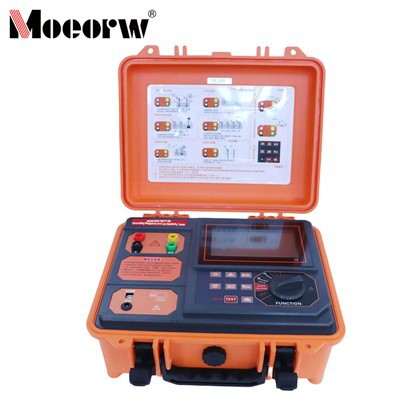
Let’s start with the boring stuff first, but hear me out: old methods are slow. If you were testing a CT with traditional tools, you’d probably be grabbing a multimeter, a variable resistor, a bunch of test leads, and maybe a time sheet to log every number. You’d have to connect and reconnect leads for each test—ratio, polarity, winding resistance, excitation current, all that. For a single CT, that could take 2 to 3 hours, easy. Multiply that by the 10 or 20 CTs you need to test for a substation upgrade, and suddenly you’re burning 20+ man-hours, working late, and stressing about getting it done before the inspector shows up. The analyzer? It can run all those core tests in 5 minutes flat. No lead swapping, no manual calculations—one connection, push a button, and you get a full report. Last month, a client told me they cut their substation test time from 2 days to 4 hours with our model. That’s not a win for their schedule—that’s a win for their bottom line, because their techs can move on to other jobs instead of sitting around testing transformers.
But speed isn’t the only thing. Accuracy is huge here, and traditional methods are rife with human error. I’ve seen so many test reports where someone wrote down a ratio wrong because their hand cramped mid-test, or they mixed up excitation current values for two different CTs. Multimeters have their own limits too—they can’t pick up tiny errors in the excitation curve, which is a big deal for preventing core saturation issues. Saturation is the #1 cause of misfiring protection relays, right? If a CT saturates during a fault, the relay won’t trip when it’s supposed to, and you get blackouts. Our analyzers measure the entire excitation curve automatically, not just a single point a human might guess at. They also use precision current and voltage sources that are calibrated to within 0.05%, way better than the old hand-cranked variable resistors or basic multimeters most teams use. One engineer told me that after switching to our analyzer, they caught three CTs that were going to fail inspection because the old method missed their weird excitation curve anomaly. That’s the kind of thing that keeps grids up and avoids costly outages, and traditional methods just don’t catch that consistently.
Another big pain point with old methods: safety. Let’s be real, working with CTs and PTs means you’re dealing with high-voltage gear, even when it’s supposed to be de-energized. Traditional tests require you to expose the primary winding, which means you have to take the whole bay apart, disconnect cables, work with bare leads, and be around potential live parts. You also have to handle high currents for some ratio tests, which is a tripping hazard if you mess up. CT PT analyzers? Most of them are designed for secondary injection testing, which means you don’t even need to energize the primary side. You just connect to the secondary terminals, where the voltage is low (usually 100V or less), and run all the tests remotely. No climbing into bays, no disconnecting primary cables, no exposing yourself to high voltage. I can’t tell you how many times a client mentioned that the biggest plus of our analyzer was their techs no longer having to do dangerous primary side work for routine testing. That’s not just convenient—it’s a safety win that actually saves lives and avoids OSHA incidents.
Wait, what about data management? Old methods mean you’re jotting down numbers on a piece of paper, then typing them into a computer later, which is another chance for errors. You also have to file physical reports, which get lost or smudged, and if an inspector shows up, you’re digging through a stack of folders. Our analyzers save all test results digitally, generate standardized reports on the spot, and let you export them straight to a cloud or your office system. No more manual data entry, no more lost reports. A utility out in the Midwest told me that before, they’d spend 8 hours a week just typing up test data for 50+ CTs. Now it’s 10 minutes to export all their results. That’s time they can spend on actual grid maintenance, not paperwork.
I know what some of you are thinking: “What about cost? Those analyzers are way more expensive than a multimeter.” Yeah, upfront they’re a bigger investment, but let’s crunch the numbers. You’re paying for labor, right? How much does a tech make an hour? If a team of two spends 8 hours testing a substation with old methods, that’s $800+ in labor, not including overtime if they work nights. With an analyzer, that same job takes 2 hours, so $200. Plus, if you catch a bad CT early with an accurate analyzer, you don’t have to pay for emergency replacements or outage repairs. One client calculated that our analyzer paid for itself in 6 months because they avoided two unplanned outages that would have cost them over $50,000 each. The old “cheap” method ends up being way more expensive when you factor in downtime and labor.
But let’s get specific—what tests actually matter, and how does the analyzer do better? Let’s talk about polarity testing, which is critical to make sure relays trip the right way. With a multimeter, you have to connect a battery, watch for a needle flick, and guess if it’s positive or negative. It’s subjective. Our analyzer injects a precise signal, measures the polarity digitally, and gives you a clear pass/fail reading in 2 seconds. No guessing. Then there’s the burden test, which checks if the CT can handle the load of the connected relays and meters. Traditional burden tests use resistors and manual voltage measurements, but they’re only accurate at a few fixed points. The analyzer runs a full load test across the entire operating range, so you know exactly how the CT will perform under real conditions. That’s the difference between passing an inspection and getting a $10,000 fine because your CT couldn’t handle the burden during a fault.
I also want to mention something that a lot of people don’t talk about: consistency. If you have multiple techs testing CTs, each one might do it a little different. One might use a higher test current, another might forget to check a winding, leading to inconsistent results. The analyzer runs the exact same test every single time, no matter who’s operating it. A new tech can pick up the analyzer and run a perfect test in 5 minutes, whereas with old methods, it takes weeks of training to do it right. That’s a big deal for utilities that have high turnover or multiple teams working on different sites. You don’t have to worry about “did the tech do this the right way?” anymore—you just trust the analyzer’s result.
Now, I won’t lie—there is a learning curve. When we first start working with a new client, their techs are used to the old way, so they need a day of training to get comfortable with the analyzer’s interface. But that training is way shorter than the weeks it takes to master the manual test methods, and most clients tell us they’re fully up and running with the analyzer within a week. Plus, our team is always there to support them, whether it’s troubleshooting a test or figuring out how to read a report.
At the end of the day, the goal of testing CTs and PTs is simple: make sure the power grid works safely, avoids outages, and complies with regulations. Traditional methods were invented when techs had limited tools, and they served a purpose back then. But now, with grid demand higher than ever, and inspections getting stricter, you can’t afford to rely on slow, error-prone, dangerous methods. Our CT PT analyzers don’t just replace old tools—they fix the biggest headaches that every test team deals with.

If you’re tired of burning hours on manual testing, stressing about accuracy, or worrying about your team’s safety, let’s chat. We can walk you through how our analyzer works, show you test results from actual jobs, and help you figure out if it’s a fit for your substation testing needs. There’s no obligation, just honest talk about what works and what doesn’t. Don’t let outdated methods hold your team back—upgrade to a tool that actually makes testing easier, faster, and safer.
Battery Tester References:
- IEEE Guide for Instrument Transformer Testing, Standard C57.13-2020
- North American Electric Reliability Corporation (NERC) Generator Reliability Standard
- Occupational Safety and Health Administration (OSHA) Electrical Safety Guidelines for Power Generation, Transmission, and Distribution
Wuhan Moen Intelligent Electric Co., Ltd.
As one of the most professional ct pt analyzer manufacturers in China, we’re featured by quality products and good price. Please rest assured to buy high quality ct pt analyzer in stock here and get quotation from our factory. Customized orders are welcome.
Address: Building A, No.1, Fenghuangyuan 2nd Road, Donghu New Technology Development Zone, Wuhan, Hubei, China
E-mail: info@hvhipotsystem.com
WebSite: https://www.hvhipotsystem.com/
