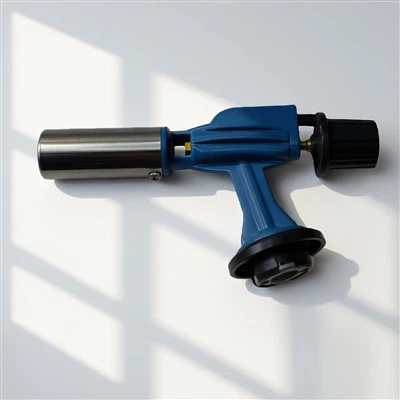
Hey there, fellow DIY enthusiasts and professional welders! I’m a supplier of butane gas torches, and I’m stoked to share with you how to use a butane gas torch for soldering stainless steel. It’s a super useful skill, whether you’re working on a home project or a professional job. Butane Gas Torch
Why Use a Butane Gas Torch for Soldering Stainless Steel?
First off, let’s talk about why a butane gas torch is a great choice for soldering stainless steel. Butane torches are portable, easy to use, and provide a consistent flame. They’re also relatively affordable, which makes them a popular option for both beginners and experienced solders.
Stainless steel is a bit tricky to solder because it has a high melting point and a tendency to form an oxide layer on its surface. But with the right technique and the right tools, you can achieve a strong, reliable solder joint.
Getting Your Tools and Materials Ready
Before you start soldering, you’ll need to gather a few essential tools and materials:
- Butane Gas Torch: Of course, you’ll need a good-quality butane gas torch. Look for one that has adjustable flame control and a stable base.
- Solder: Choose a solder that’s specifically designed for stainless steel. It should have a high melting point and good wetting properties.
- Flux: Flux is essential for soldering stainless steel. It helps to remove the oxide layer from the surface of the metal and promotes better solder flow.
- Safety Gear: Always wear safety goggles and heat-resistant gloves to protect yourself from the heat and flames.
- Cleaning Supplies: You’ll need to clean the stainless steel surfaces before soldering to ensure a good bond. Use a wire brush or sandpaper to remove any dirt, grease, or oxide layer.
Preparing the Stainless Steel
Once you have all your tools and materials ready, it’s time to prepare the stainless steel surfaces for soldering. Here’s what you need to do:
- Clean the Surfaces: Use a wire brush or sandpaper to clean the stainless steel surfaces thoroughly. This will remove any dirt, grease, or oxide layer that could prevent the solder from bonding properly.
- Apply Flux: Apply a thin layer of flux to the cleaned surfaces. The flux will help to remove any remaining oxide layer and promote better solder flow.
- Position the Pieces: Position the stainless steel pieces that you want to solder together. Make sure they’re aligned properly and held in place securely.
Using the Butane Gas Torch
Now it’s time to fire up the butane gas torch and start soldering. Here’s how to do it:
- Light the Torch: Follow the manufacturer’s instructions to light the butane gas torch. Make sure the flame is adjusted to a medium-sized, blue flame.
- Heat the Joint: Hold the torch about 1-2 inches away from the joint and move it back and forth evenly. Heat the joint until it’s hot enough to melt the solder.
- Apply the Solder: Once the joint is hot enough, touch the solder to the joint. The solder should melt and flow into the joint. Keep applying the solder until the joint is filled.
- Cool the Joint: Once the joint is filled with solder, remove the torch and let the joint cool down. Don’t touch the joint until it’s completely cool.
Tips and Tricks
Here are a few tips and tricks to help you get the best results when soldering stainless steel with a butane gas torch:
- Use the Right Flux: Make sure you use a flux that’s specifically designed for stainless steel. This will help to remove the oxide layer and promote better solder flow.
- Heat the Joint Evenly: Make sure you heat the joint evenly to avoid overheating or underheating. Move the torch back and forth evenly to distribute the heat.
- Apply the Solder Correctly: Apply the solder to the joint at the right time. If the joint is too hot, the solder will run off. If the joint is too cold, the solder won’t melt properly.
- Clean the Torch Tip: After each use, clean the torch tip to remove any debris or residue. This will help to ensure a consistent flame and prevent clogging.
Troubleshooting
If you’re having trouble soldering stainless steel with a butane gas torch, here are a few common problems and solutions:
- Solder Won’t Flow: If the solder won’t flow, it could be because the joint isn’t hot enough or the flux isn’t working properly. Try heating the joint more or using a different flux.
- Solder Joint is Weak: If the solder joint is weak, it could be because the joint wasn’t cleaned properly or the solder wasn’t applied correctly. Try cleaning the joint again and applying the solder more evenly.
- Torch Flame is Unstable: If the torch flame is unstable, it could be because the butane gas is running low or the torch tip is clogged. Try refilling the butane gas or cleaning the torch tip.
Conclusion

Soldering stainless steel with a butane gas torch is a great skill to have. With the right tools, materials, and technique, you can achieve a strong, reliable solder joint. Remember to always wear safety gear and follow the manufacturer’s instructions when using a butane gas torch.
Propane Gas Torch If you’re interested in purchasing a butane gas torch for soldering stainless steel, I’d love to talk to you. I’m a supplier of high-quality butane gas torches, and I can help you find the right torch for your needs. Just reach out, and we can start the conversation about your project requirements.
References
- "Soldering Handbook" by an industry expert in welding and soldering.
- Various technical guides from butane torch manufacturers.
Yuhuan Shunshida Intelligent Electromechanical Co., Ltd.
As one of the most professional bayonet spray gun manufacturers and suppliers in China, we’re featured by quality products and good service. Please rest assured to buy durable bayonet spray gun at low price from our factory. We also accept customized orders.
Address: No. 186 East Nanxing Road, Chumen Town, Yuhuan City, Zhejiang Province
E-mail: yuhuanshunshida@gmail.com
WebSite: https://www.cmssdgastorch.com/
