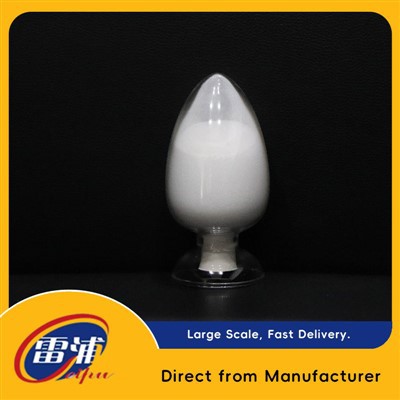
Calcined alumina, a high – purity form of aluminum oxide, has long been recognized for its exceptional physical and chemical properties. As a supplier of calcined alumina, I’ve witnessed firsthand its diverse applications, especially in the field of catalysts for chlorinated hydrocarbon production. In this blog, I’ll delve into the various applications of calcined alumina in these catalysts and explain why it’s such a crucial component. Calcined Alumina
1. The Basics of Chlorinated Hydrocarbon Production
Chlorinated hydrocarbons are a group of organic compounds that contain at least one chlorine atom. They are widely used in industries such as refrigeration, solvents, and plastics production. The production of chlorinated hydrocarbons often involves complex chemical reactions, and catalysts play a vital role in facilitating these reactions.
Catalysts are substances that increase the rate of a chemical reaction without being consumed in the process. In chlorinated hydrocarbon production, catalysts help to lower the activation energy of the reaction, making it more efficient and cost – effective.
2. Properties of Calcined Alumina that Make it Suitable for Catalysts
Calcined alumina possesses several properties that make it an ideal material for catalysts in chlorinated hydrocarbon production:
High Surface Area
One of the most important properties of calcined alumina is its high surface area. A large surface area provides more active sites for the reactants to interact, which enhances the catalytic activity. In the case of chlorinated hydrocarbon production, the high surface area of calcined alumina allows for better contact between the catalyst and the reactants, leading to more efficient reactions.
Thermal Stability
Chlorinated hydrocarbon production often involves high – temperature reactions. Calcined alumina has excellent thermal stability, which means it can withstand high temperatures without losing its catalytic properties. This is crucial for maintaining the efficiency of the catalyst over long periods of time.
Chemical Inertness
Calcined alumina is chemically inert, which means it does not react with the reactants or products in the chlorinated hydrocarbon production process. This property ensures that the catalyst remains stable and does not contaminate the final product.
Porosity
The porous structure of calcined alumina allows for the diffusion of reactants and products within the catalyst. This is important for ensuring that the reaction can occur efficiently, as the reactants need to be able to reach the active sites on the catalyst surface.
3. Applications of Calcined Alumina in Catalysts for Chlorinated Hydrocarbon Production
Dehydrochlorination Reactions
Dehydrochlorination is a common reaction in chlorinated hydrocarbon production, where hydrogen chloride is removed from a chlorinated hydrocarbon molecule. Calcined alumina can act as a catalyst for this reaction. The high surface area and thermal stability of calcined alumina allow it to effectively promote the dehydrochlorination reaction at high temperatures.
For example, in the production of vinyl chloride from 1,2 – dichloroethane, calcined alumina can be used as a catalyst to facilitate the removal of hydrogen chloride. The reaction is as follows:
$C_2H_4Cl_2 \xrightarrow[\text{calcined alumina}]{\text{high temperature}} C_2H_3Cl+HCl$
The calcined alumina provides the necessary active sites for the reaction to occur, and its thermal stability ensures that it can withstand the high temperatures required for the dehydrochlorination process.
Chlorination Reactions
Calcined alumina can also be used as a catalyst in chlorination reactions, where chlorine is added to a hydrocarbon molecule. In these reactions, the high surface area of calcined alumina allows for better adsorption of the reactants, which enhances the reaction rate.
For instance, in the production of chloroform from methane, calcined alumina can be used to catalyze the chlorination reaction. The reaction proceeds as follows:
$CH_4 + 3Cl_2 \xrightarrow[\text{calcined alumina}]{\text{light or heat}} CHCl_3+3HCl$
The calcined alumina helps to increase the efficiency of the chlorination reaction by providing a suitable environment for the reactants to interact.
Isomerization Reactions
Isomerization reactions involve the rearrangement of atoms within a molecule to form a different isomer. Calcined alumina can act as a catalyst for isomerization reactions in chlorinated hydrocarbon production. The porous structure of calcined alumina allows for the diffusion of the reactant molecules, which is essential for the isomerization process.
For example, in the isomerization of 1 – chlorobutane to 2 – chlorobutane, calcined alumina can be used as a catalyst. The reaction is as follows:
$CH_3CH_2CH_2CH_2Cl \xrightarrow[\text{calcined alumina}]{} CH_3CH_2CHClCH_3$
The calcined alumina provides the necessary active sites for the isomerization reaction to occur, and its chemical inertness ensures that it does not interfere with the reaction.
4. Advantages of Using Calcined Alumina in Catalysts
There are several advantages to using calcined alumina in catalysts for chlorinated hydrocarbon production:
High Catalytic Activity
As mentioned earlier, the high surface area and porous structure of calcined alumina provide more active sites for the reactants to interact, which results in high catalytic activity. This means that the reactions can occur more quickly and efficiently, leading to higher yields of the desired products.
Long – term Stability
The thermal stability and chemical inertness of calcined alumina ensure that the catalyst remains stable over long periods of time. This reduces the need for frequent catalyst replacement, which can save costs for the production process.
Selectivity
Calcined alumina can be tailored to have specific catalytic properties, which allows for high selectivity in the reactions. This means that the catalyst can promote the formation of the desired products while minimizing the formation of unwanted by – products.
5. Conclusion and Call to Action

In conclusion, calcined alumina plays a crucial role in catalysts for chlorinated hydrocarbon production. Its unique properties, such as high surface area, thermal stability, chemical inertness, and porosity, make it an ideal material for promoting various chemical reactions in the production of chlorinated hydrocarbons.
Alumina If you’re involved in the chlorinated hydrocarbon production industry and are looking for a high – quality calcined alumina for your catalysts, I encourage you to reach out to us. Our company offers a wide range of calcined alumina products with different properties to meet your specific needs. We are committed to providing the best products and services to our customers. Contact us today to discuss your requirements and start a fruitful business partnership.
References
- Haber, F. (1909). "The synthesis of ammonia from its elements". Nobel Lecture.
- Thomas, J. M., & Thomas, W. J. (1997). Principles and practice of heterogeneous catalysis. Wiley.
- Weitkamp, J., & Puppe, L. (Eds.). (1999). Catalysis and zeolites: Fundamentals and applications. Springer.
Shandong Leipu New Material Technology Co., Ltd.
With abundant experience, we are one of the most professional calcined alumina manufacturers and suppliers in China. Please feel free to buy high quality calcined alumina for sale here and get quotation from our factory. For price consultation, contact us.
Address: Advanced Ceramic Industry Innovation Park, No. 125, Liuquan Road, High-tech Zone, Zibo City, Shandong Province
E-mail: 2330389088@qq.com
WebSite: https://www.sdleipu.com/
